
Capital Gains Tax (CGT) can be a significant consideration for UK expats managing their investments and property portfolios. While moving abroad may offer tax advantages, understanding the intricacies of CGT is crucial to avoid unexpected liabilities. This comprehensive guide explores the key aspects of CGT for UK expats, addressing the implications on UK-based and overseas assets, residency considerations, exemptions, and strategies to minimize tax exposure.
1. What Is Capital Gains Tax (CGT) and Who Pays It?
CGT is a tax on the profit made when selling or disposing of an asset that has increased in value. It applies to the gain (the difference between the purchase price and the sale price), not the total proceeds from the sale.
Key triggers for CGT include:
- Selling property, shares, or other investments.
- Gifting assets (other than to a spouse or civil partner).
- Exchanging assets.
- Receiving compensation (e.g., insurance payouts for destroyed assets).
UK expats may still be liable for CGT on UK-based assets even if they live and work abroad. Overseas assets may also be subject to CGT depending on your residency status and the country’s tax treaties with the UK.
2. Residency Status and CGT
Your liability for CGT depends on whether you are classified as a UK resident or non-resident under the Statutory Residence Test (SRT). This test examines:
- The number of days spent in the UK.
- The strength of your ties to the UK (e.g., property, family, work).
- Whether you meet automatic residence or non-residence conditions.
Residency Scenarios:
- UK Residents: Pay CGT on worldwide gains.
- Non-Residents: Pay CGT only on UK-based assets.
However, if you are a temporary non-resident (away from the UK for fewer than five full tax years), you may still be liable for CGT on gains made while abroad. This is known as the Temporary Non-Resident Rule.
3. Do UK Expats Pay CGT on UK-Based Assets?
Yes, UK expats are generally liable for CGT on the sale or disposal of UK-based assets. This includes:
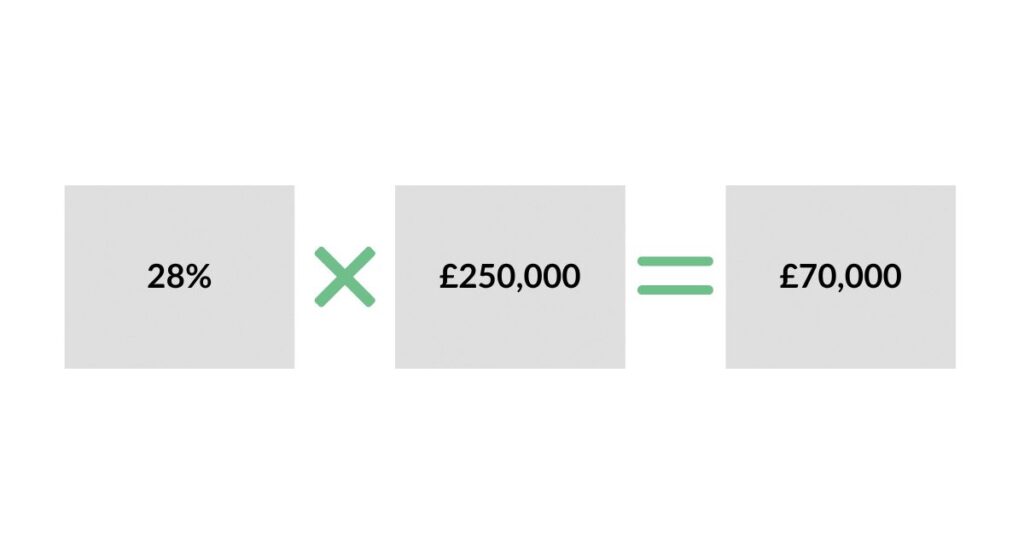
- Residential Property: Gains on the sale of UK property are taxed at 18% (basic rate taxpayers) and 28% (higher rate taxpayers).
- Shares: Gains on UK company shares are taxed at 10% (basic rate taxpayers) and 20% (higher rate taxpayers).
- Other Assets: Taxed at the same rates as shares.
If the asset sold is a residential property, expats must report the gain to HMRC and pay any tax due within 60 days of completion.
4. Overseas Assets and Double Taxation
For UK expats, overseas assets are typically not subject to CGT unless you are classified as a UK resident. However, if you are taxed on overseas gains in your host country, you may be able to claim relief under a Double Taxation Agreement (DTA) to avoid paying tax twice.
For example:
- If you sell an overseas property and are taxed in your host country, you may not need to pay UK CGT, depending on the DTA provisions.
- If no DTA exists, you may still claim Foreign Tax Credit Relief to offset the tax paid abroad against your UK liability.
5. Private Residence Relief (PRR) for Expats
Expats selling their former UK main home may qualify for Private Residence Relief (PRR), which exempts part or all of the gain from CGT. To qualify:
- The property must have been your primary residence at some point.
- The relief applies to the time the property was your main home plus the final 9 months of ownership (even if you lived abroad during this time).
If you rent out the property while living abroad, you may also qualify for Lettings Relief, which further reduces your CGT liability.
6. Reporting CGT to HMRC
UK expats must report CGT liabilities to HMRC using the following methods:
- Online CGT Service: For UK residential property gains, report within 60 days of completion.
- Self-Assessment Tax Return: For other assets, report by 31 January following the tax year in which the disposal occurred.
To ensure compliance, maintain detailed records of all asset purchases, sales, and associated costs (e.g., legal fees, improvements).
7. Strategies to Minimize CGT for UK Expats
Reducing your CGT liability requires careful planning and knowledge of available reliefs. Consider the following strategies:
- Use the Annual Exemption: The annual CGT allowance for 2024/2025 is £3,000. If selling assets jointly with a spouse or civil partner, you can combine allowances to exempt £6,000 of gains.
- Time Asset Disposals: If planning to move abroad, delay the sale of assets until you establish non-residency to avoid UK CGT.
- Offset Losses: Use capital losses from previous years to offset gains, reducing your taxable profit. Losses must be reported to HMRC within four years of the end of the tax year in which they occurred.
- Main Residence Elections: If you own more than one property, nominate one as your primary residence to maximize PRR.
- Gifting to Spouses: Transfers of assets between spouses or civil partners are CGT-free, allowing you to utilize both annual allowances and lower tax rates.
8. Tax Planning for Returning Expats
If you plan to return to the UK, your global assets may become subject to CGT. Before moving back, consider:
- Selling assets while still a non-resident.
- Transferring assets to a spouse who remains a non-resident.
- Seeking professional advice to structure your finances tax-efficiently.
9. Common Pitfalls to Avoid
Expats often face complex tax situations, and mistakes can be costly. Watch out for:
- Failing to report UK property disposals within the 60-day deadline.
- Misunderstanding residency rules under the SRT.
- Overlooking reliefs like PRR or DTAs.
- Poor record-keeping, leading to difficulty proving costs or losses.
10. Seeking Professional Advice
The interplay between UK and international tax laws can be complicated. Working with a tax adviser experienced in expat taxation can help you:
- Understand your residency status and obligations.
- Claim all available reliefs and allowances.
- Ensure compliance with reporting requirements.
- Optimize your global tax position.
Final Thoughts
Capital Gains Tax for UK expats can be managed effectively with careful planning and an understanding of the rules. Whether you’re selling property, shares, or other investments, knowing your residency status, using reliefs strategically, and seeking professional advice can significantly reduce your tax burden. Always keep detailed records and stay informed about tax changes to ensure compliance with HMRC.
If you’re an expat navigating CGT, a proactive approach to tax planning will not only save you money but also provide peace of mind in managing your global finances.