
Yes, you can offset losses from investments against your capital gains to reduce your tax liability. This is an effective way to manage your finances and ensure you only pay tax on your net gains. Understanding how this process works can help you make the most of your investment losses. Below is a detailed breakdown:
1. What Are Capital Losses?
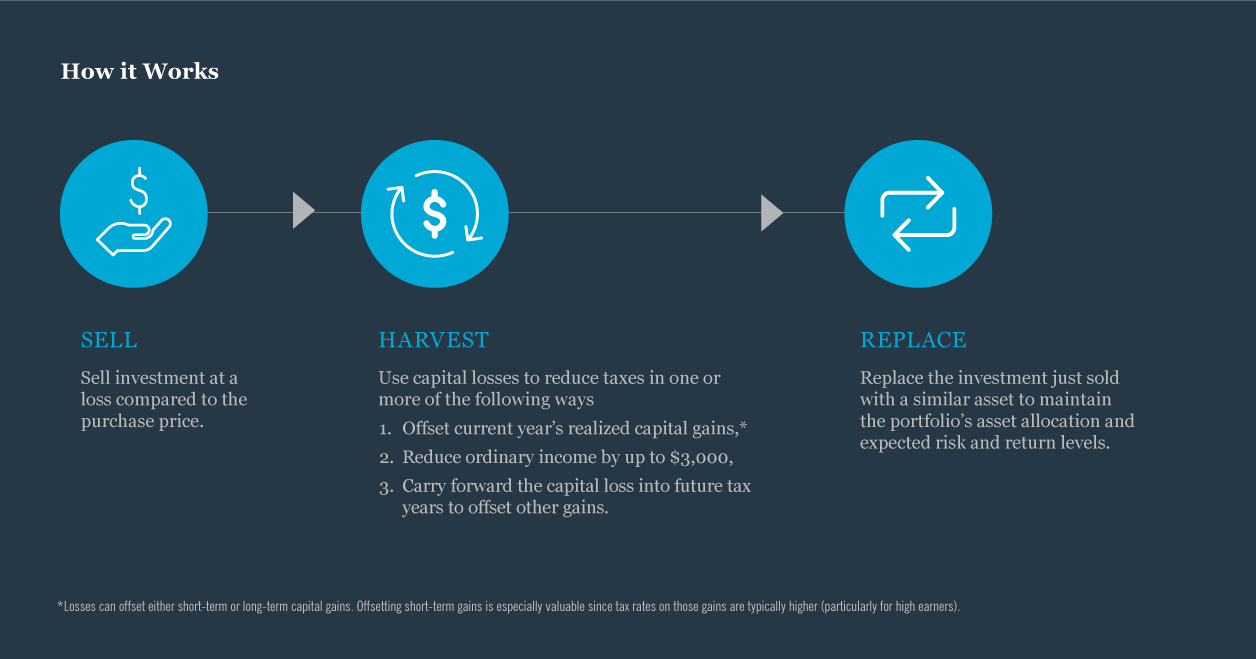
Capital losses occur when you sell an asset, such as stocks, property, or other investments, for less than the amount you paid for it. These losses can be deducted from your capital gains to reduce the amount of Capital Gains Tax (CGT) you owe.
2. How Can Losses Be Offset Against Gains?
If you have realized both gains and losses within the same tax year, you can subtract the total losses from your total gains. For example:
- Total capital gains: £15,000
- Total capital losses: £7,000
- Net capital gain: £8,000
After deducting your CGT allowance (£3,000 for 2026/27), you would only pay tax on the remaining £5,000.
3. Claiming Unused Losses
If your losses exceed your gains in a given tax year, you can carry forward the unused losses to offset gains in future tax years. However, to carry forward losses, you must report them to HMRC, even if you don’t owe any CGT in that tax year.
4. Offsetting Against Future Gains
Carried-forward losses can be applied to future capital gains indefinitely. For example, if you report a £10,000 loss in one tax year and have a £15,000 gain the following year, you can reduce the gain to £5,000 before applying the annual CGT allowance.
5. What If There Are No Gains?
If you have no gains in the current tax year, your losses will still need to be reported to HMRC to be eligible for carry-forward. This ensures they can be used in future tax years when gains arise.
6. Rules for Specific Assets
Certain types of losses have specific rules:
- Shares and Investments: Losses on shares can only be offset against other chargeable gains, except in cases of Enterprise Investment Scheme (EIS) shares, where losses may be offset against your income tax liability.
- Property Losses: Losses on the sale of property can only be offset against gains from other assets, not against income tax.
7. How to Report Losses to HMRC
You can report your losses either:
- When completing your Self-Assessment tax return.
- By writing to HMRC if you are not required to file a Self-Assessment return.
Losses must be reported within four years of the end of the tax year in which they occurred. For example, losses from the 2024/2025 tax year must be reported by 5 April 2029.

8. Using Allowances Effectively
Your CGT allowance is applied to your net gains after subtracting losses. To minimize your tax bill, ensure you use the allowance strategically by timing the sale of assets across multiple tax years if possible.
9. Professional Advice
Offsetting losses against capital gains can be straightforward, but it becomes more complex if you have a variety of assets, losses carried forward, or specific tax reliefs. A tax adviser can help ensure you comply with HMRC rules while minimizing your tax liability.
Key Takeaways
Yes, you can offset losses from investments against capital gains, either in the same tax year or future ones. This strategy helps reduce your tax burden and maximize your investment returns. Be diligent with record-keeping and reporting losses to HMRC to take full advantage of this tax relief. Not sure how much you could save? Call us on +44 (0)1204 859315 or use our free CGT calculator to see the impact of offsetting your losses.