Income Tax and Capital Gains Tax (CGT) are both important elements of the UK tax system, but they apply to different types of income and gains. Understanding the differences between the two can help you plan your finances effectively and avoid tax-related surprises. Below are the key distinctions between Income Tax and Capital Gains Tax:
1. Nature of Tax
- Income Tax: This tax is levied on earnings from employment, self-employment, pensions, savings, and investments. It is charged on the income you receive during a tax year.
- Capital Gains Tax (CGT): CGT is charged on the profit made when you sell or dispose of certain assets (e.g., property, stocks, bonds) for more than you paid for them. It’s not applied to the income you earn but on the profit (or “gain”) from the sale of assets.
2. Type of Income or Gain
- Income Tax: Includes wages, salaries, bonuses, rental income, dividends, savings interest, and other sources of income.
- Capital Gains Tax: Applies to the sale of capital assets such as property (that isn’t your main home), stocks, shares, or business assets. It is only triggered when there is a gain, i.e., when the asset is sold for more than its purchase price.
3. Rates of Tax
- Income Tax: Income tax is progressive, meaning the rate increases as your income rises. For the 2024/2025 tax year, the UK income tax rates are:
- Personal Allowance: Up to £12,570, tax-free
- Basic Rate: 20% on income between £12,571 and £50,270
- Higher Rate: 40% on income between £50,271 and £150,000
- Additional Rate: 45% on income above £150,000
- Capital Gains Tax (CGT): The rate of CGT depends on your overall taxable income and the type of asset sold:

- Basic Rate taxpayers: 10% on most gains (18% on residential property)
- Higher and Additional Rate taxpayers: 20% on most gains (28% on residential property)
There are different rates for specific assets, like business assets, which may qualify for a lower rate under Business Asset Disposal Relief (10%).
4. Tax-Free Allowances
- Income Tax: There is a personal allowance that allows you to earn a certain amount of income tax-free (£12,570 for the 2024/2025 tax year). Some income types, like savings interest or dividends, have specific allowances or exemptions as well.
- Capital Gains Tax: CGT has a Annual Exempt Amount (AEA), which allows individuals to make gains up to a certain limit before paying tax. For the 2024/2025 tax year, the AEA is £6,000. After this limit, CGT applies to the gain on the asset sale.
5. Exemptions and Reliefs
- Income Tax: Certain income sources are tax-free or subject to specific allowances, such as the Personal Savings Allowance, Dividend Allowance, and Blind Person’s Allowance.
- Capital Gains Tax: CGT also has exemptions and reliefs. For example:
- Private Residence Relief (PRR): Exempts gains from the sale of your main home (subject to certain conditions).
- Business Asset Disposal Relief: Reduces CGT on qualifying business assets to 10%.
- Gift Hold-Over Relief: Allows you to defer CGT when gifting business or agricultural assets to others.
6. When You Pay the Tax
- Income Tax: Income tax is typically paid via Pay As You Earn (PAYE) for employees or through Self-Assessment for self-employed individuals. Payments are usually made in installments, either monthly or annually.
- Capital Gains Tax: CGT is generally paid after you sell the asset and is due when you file your Self-Assessment tax return. The tax must be paid by 31 January following the end of the tax year in which the gain was made.
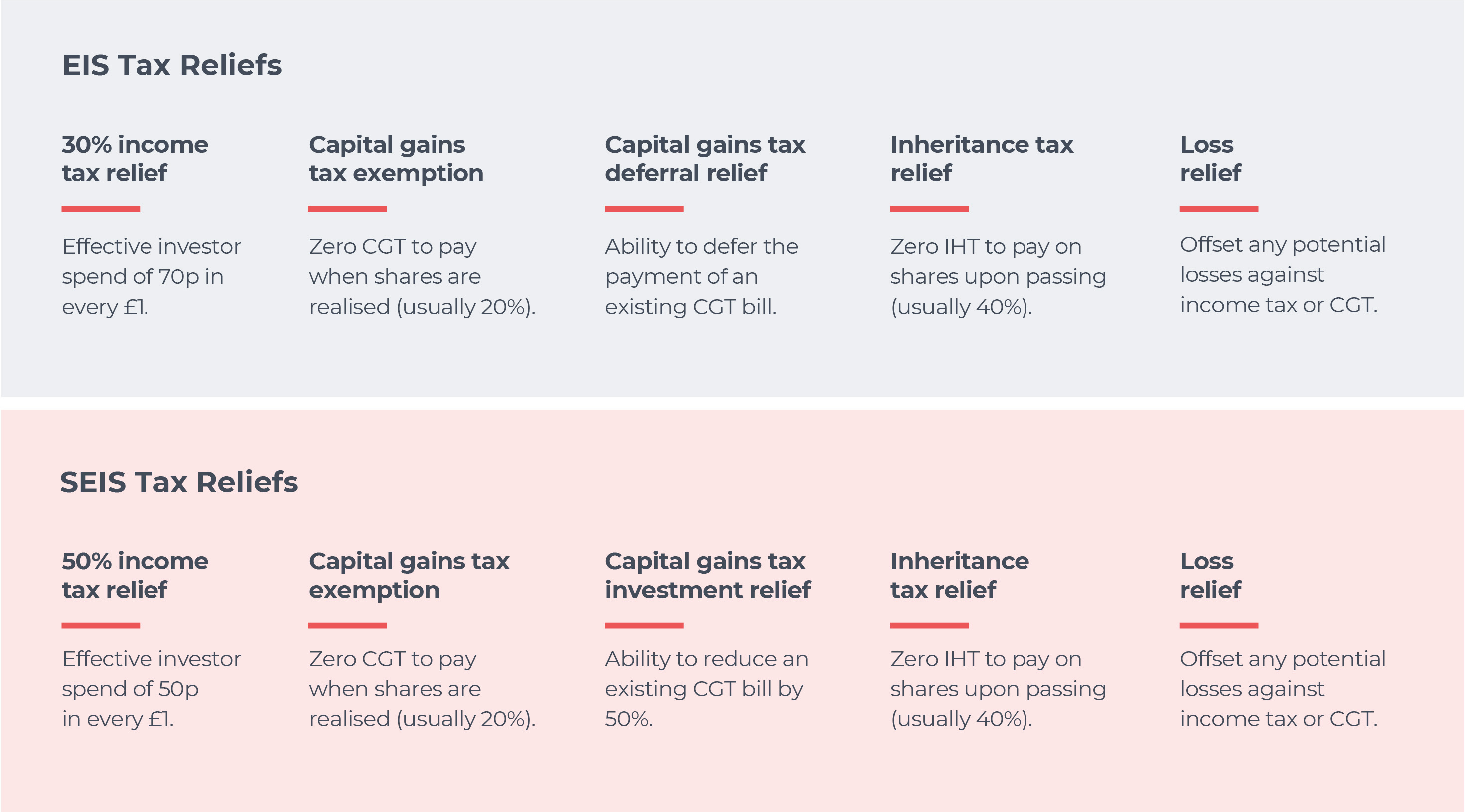
7. Losses
- Income Tax: Losses in income are generally not deductible from other sources of income, except for specific situations, such as trading losses in self-employment or rental losses.
- Capital Gains Tax: If you make a loss on the sale of an asset, you can offset it against other capital gains, reducing your CGT liability. If your capital losses exceed your gains, they can be carried forward to offset future capital gains.
8. Impact on Investments
- Income Tax: Taxes are applied on income from investments like dividends, interest, and rental income. For example, dividends have a specific tax allowance, and rental income is taxed as part of your overall income.
- Capital Gains Tax: CGT only applies when an asset is sold, meaning you are not taxed on the increase in value of investments until you sell or dispose of them. The tax is based on the gain, not the total value.
Conclusion
The key differences between Income Tax and Capital Gains Tax lie in the type of income or gain that is taxed, the tax rates, the available exemptions, and when and how the taxes are paid. While Income Tax is levied on earnings from work, savings, and investments, CGT applies to profits made from the sale of assets. Understanding these differences can help you make informed financial decisions, particularly when selling assets or planning for future tax liabilities. Always consider speaking to a tax advisor to navigate these taxes effectively and maximize your exemptions and reliefs.