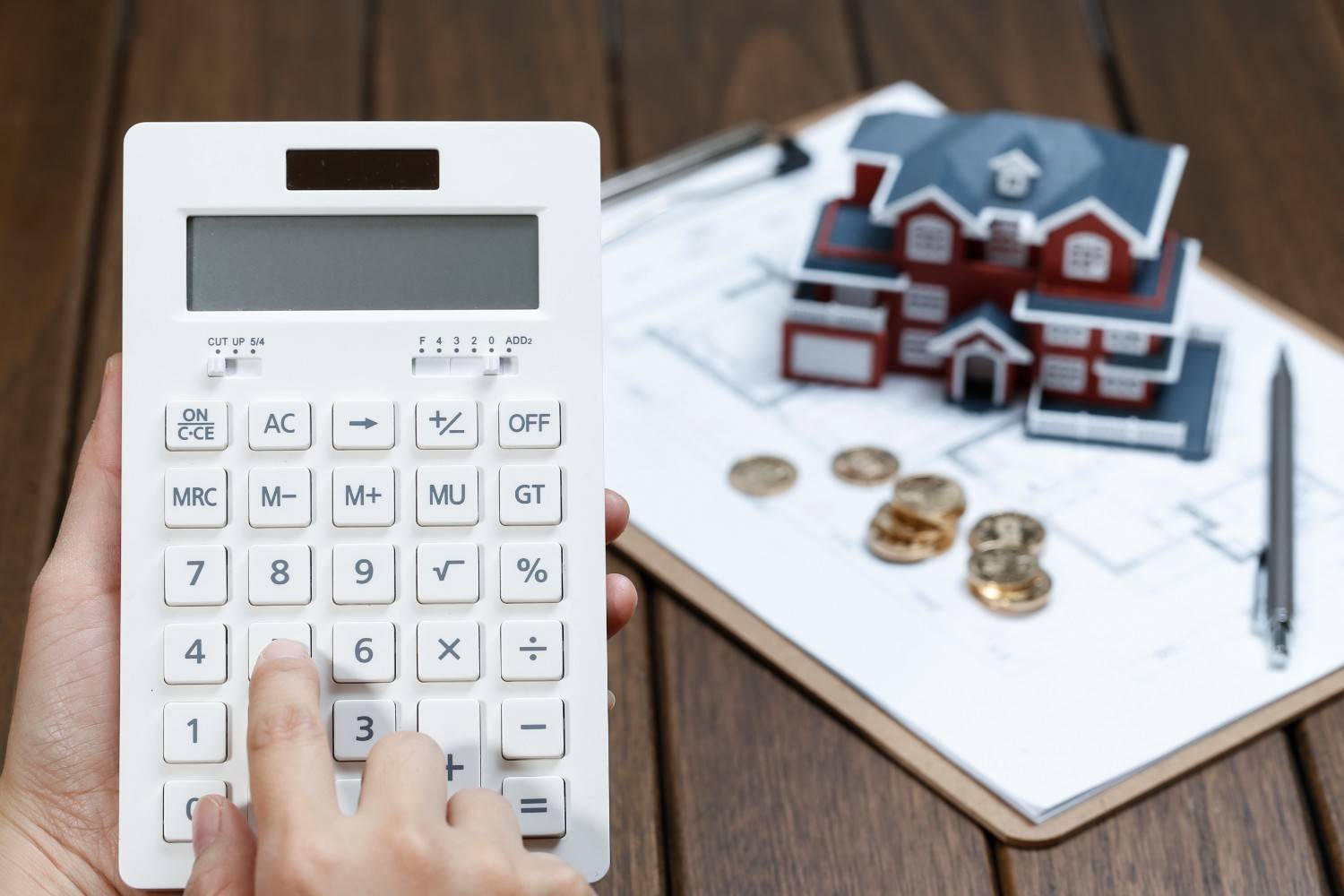
Selling a residential property in the UK involves more than finding the right buyer and agreeing on a sale price. For property owners, especially landlords and investors, one of the most important post-sale responsibilities is reporting and paying any Capital Gains Tax (CGT) due. Since 27 October 2021, HMRC requires that CGT on UK residential property sales be reported and paid within 60 days of the completion date.
Failing to meet this tight window can result in penalties, interest, and unnecessary stress. Understanding how this process works and what steps you need to take is vital for staying compliant with HMRC and protecting your financial outcome from the sale. This guide will walk you through the essentials of the 60-day CGT reporting rule, how to file, what details you need, and how professional guidance can help make the process smooth.
Table of Contents
ToggleUnderstanding the 60-Day CGT Reporting Rule
The 60-day reporting window was introduced by HMRC to streamline tax collection from UK residential property disposals. Under this rule, any individual who disposes of a UK residential property and expects to pay CGT must submit a return and payment within 60 calendar days from the date of completion, not the exchange date.
This rule applies primarily to second homes, rental properties, or any residential properties that haven’t been your main residence throughout the entire period of ownership. If a gain arises and you anticipate paying CGT, then you’re expected to report it using the dedicated digital service provided by HMRC.
One of the common misconceptions is that if you file a Self-Assessment tax return annually, you don’t need to submit a separate CGT return. However, this is incorrect—both filings are required if you fall within the reporting criteria.
Who Needs to Report CGT Under the 60-Day Rule
Not every residential property seller needs to submit a 60-day CGT report. The rule specifically applies when the property sale results in a chargeable gain. This typically involves:
- The sale of a buy-to-let property
- A second home or holiday home
- A property that was inherited but not used as your main residence
- The sale of property by non-resident landlords or owners
If your total gain (after deducting reliefs, losses, and the annual exemption) falls below the CGT threshold for the tax year, then no CGT is payable, and no report is needed. For the 2024/25 tax year, the annual exemption is £6,000. However, many individuals wrongly assume they are exempt, only to find out later that a chargeable gain did exist, putting them at risk for penalties.
It’s always advisable to calculate your gain as early as possible after exchange so that you have sufficient time to assess whether a CGT return is needed.
The Process of Reporting CGT on UK Property
HMRC has made the process of reporting CGT digital and relatively straightforward for individuals comfortable navigating tax systems online. To submit a report, you need to create a Capital Gains Tax on UK Property Account via HMRC’s website. This is separate from your standard Self-Assessment login, though it uses the same Government Gateway credentials.
Once logged in, you will need to provide detailed information about the property and the sale, including:
- Property address and type
- Date of acquisition and completion
- Purchase price and sale proceeds
- Legal, valuation, and estate agent fees
- Any capital improvement costs (e.g., extensions or structural changes)
- Applicable reliefs or exemptions (such as Private Residence Relief or Lettings Relief)
After completing the form, HMRC will generate a reference number, and you can proceed to make payment online.
While the digital service is functional, it’s not without complexity. Calculating your taxable gain, especially when considering allowable costs and previous losses, can be challenging. Many individuals turn to professional tax specialists to ensure accuracy.
Consequences of Missing the 60-Day Deadline
Missing the CGT 60-day deadline can be both stressful and expensive. HMRC applies automatic penalties to late submissions, and these increase the longer the delay continues.
- If your CGT return is just one day late, a fixed £100 fine applies.
- After six months, HMRC charges either a £300 penalty or 5% of the unpaid tax—whichever is greater.
- At 12 months, an additional £300 or another 5% of the outstanding tax is added.
In addition to penalties, interest accrues daily on any unpaid tax. This means delays can result in significantly higher tax bills.
Mistakes often occur when property sellers assume that their CGT will be covered in their annual Self-Assessment or are unaware of the reporting requirement altogether. This is particularly common among individuals selling a property for the first time or those living abroad but disposing of UK assets.
The Importance of Getting the Calculations Right
CGT is calculated on the difference between the sale proceeds and the allowable costs. While that sounds simple in theory, in practice, many factors can influence your final tax liability.
Deductible costs include the original purchase price, stamp duty, legal and estate agent fees, and qualifying improvement costs. However, not all upgrades or maintenance costs qualify as capital improvements, which means you cannot automatically claim for new carpets, redecoration, or repairs.
Accurate record-keeping is essential, as HMRC can request evidence to support your calculations. It is also worth noting that the rate of CGT you pay will depend on your total taxable income, with basic rate taxpayers paying 18% on property gains and higher-rate taxpayers paying 28%.
To avoid miscalculations or overpayments, it’s recommended to consult a qualified tax professional who understands residential property taxation. Many property owners search for a reliable capital gains tax accountant near me when dealing with disposals, especially for high-value or inherited properties.
Do You Still Need to File a Self-Assessment?
Yes, in many cases. The 60-day CGT report does not replace your annual Self-Assessment return. HMRC expects property owners who are already within the Self-Assessment regime to report the gain again in their tax return for that year.
If you’ve submitted a CGT report and paid the tax early in the year, you must still include the gain in your Self-Assessment to ensure HMRC has a full record of your finances. Any discrepancies between the two reports may trigger compliance checks or inquiries from HMRC.
For non-Self-Assessment taxpayers who have only made a one-time property disposal, the 60-day CGT report may be sufficient, but this depends on whether any other taxable income or gains were earned during the tax year.
Professional Guidance Can Save You Time and Money
UK tax rules are increasingly complex, especially for landlords with multiple properties, joint ownership situations, or sellers living abroad. Small missteps in CGT reporting can lead to overpaid tax, denied reliefs, or stiff penalties from HMRC.
Working with a tax advisor helps to ensure that your CGT liability is correctly calculated, that deadlines are met, and that you receive all eligible reliefs. Whether you’re selling a family rental home, a second residence, or part of an inherited estate, having expert oversight can make all the difference.
At Capital Gains Tax Expert, we offer dedicated support for property sellers, landlords, and investors across the UK. As leading tax advisors in Manchester, we handle everything from gain calculations to HMRC filings. We also assist in identifying available reliefs, such as Lettings Relief or Principal Residence Relief, to ensure you don’t pay more tax than necessary.
Our tailored services ensure that you remain compliant and stress-free while selling your property.
Common Mistakes to Avoid When Filing CGT
Many property sellers unintentionally fall into avoidable pitfalls when dealing with CGT obligations. Some of the most common mistakes include:
- Assuming the 60-day rule doesn’t apply to UK residents
- Forgetting to deduct allowable improvement costs
- Not understanding the difference between maintenance and capital improvements
- Filing late and incurring automatic penalties
- Overlooking the need for Self-Assessment filing after the CGT report
These mistakes can be avoided with proper planning and professional advice. Remember, CGT is not just a formality—it’s a legal obligation that can have serious financial consequences if mishandled.
Is it Worth Hiring a CGT Specialist?
While you can report CGT yourself through HMRC’s platform, many sellers find the process complex and time-consuming. Working with a specialist provides clarity, reduces stress, and ensures accurate reporting.
Hiring a qualified capital gains tax accountant near me not only helps with compliance but often results in lower tax bills by applying the correct reliefs and identifying deductible expenses. For landlords or investors with more than one property, the benefits multiply significantly.
CGT specialists also liaise directly with HMRC on your behalf, resolving any queries and managing communication efficiently. This is particularly valuable if the property transaction is large, part of an estate, or involves non-residency.
Final Thoughts
Understanding how to report UK property CGT in 60 days is essential for anyone selling a residential property that may generate a taxable gain. The 60-day reporting rule is not just a recommendation—it’s a statutory requirement with real financial consequences.
Whether you’re a seasoned landlord or selling a single inherited property, taking timely action is critical. Accurate gain calculations, proper use of allowances, and timely submissions can make the difference between a smooth transaction and a costly tax issue.
When in doubt, it’s always best to seek professional support. Services like Capital Gains Tax Expert ensure that your return is filed correctly, on time, and with the full benefit of available reliefs. If you’re based in the North West or nearby, their business tax experts and property specialists in Manchester offer the local, professional support you need to meet all HMRC obligations with confidence.
Frequently Asked Questions (FAQs)
What is the 60-day CGT rule for UK property sales?
It’s a rule requiring UK residential property sellers to report and pay Capital Gains Tax within 60 days of completing the sale, if CGT is due.
Does this rule apply to UK residents?
Yes. Both UK and non-UK residents must follow the 60-day CGT reporting rule when selling UK residential properties that generate a taxable gain.
What if I miss the deadline?
HMRC applies a £100 penalty immediately. Additional fines of 5% of unpaid tax (or £300 minimum) are added after 6 and 12 months, plus daily interest on overdue tax.
Can I file the report myself?
Yes, but due to the complexity of gain calculations, many property owners prefer to use a professional CGT accountant.
Do I still need to do a Self-Assessment?
In most cases, yes. Even after filing your 60-day CGT return, HMRC expects you to include the gain in your annual Self-Assessment if you are already registered.