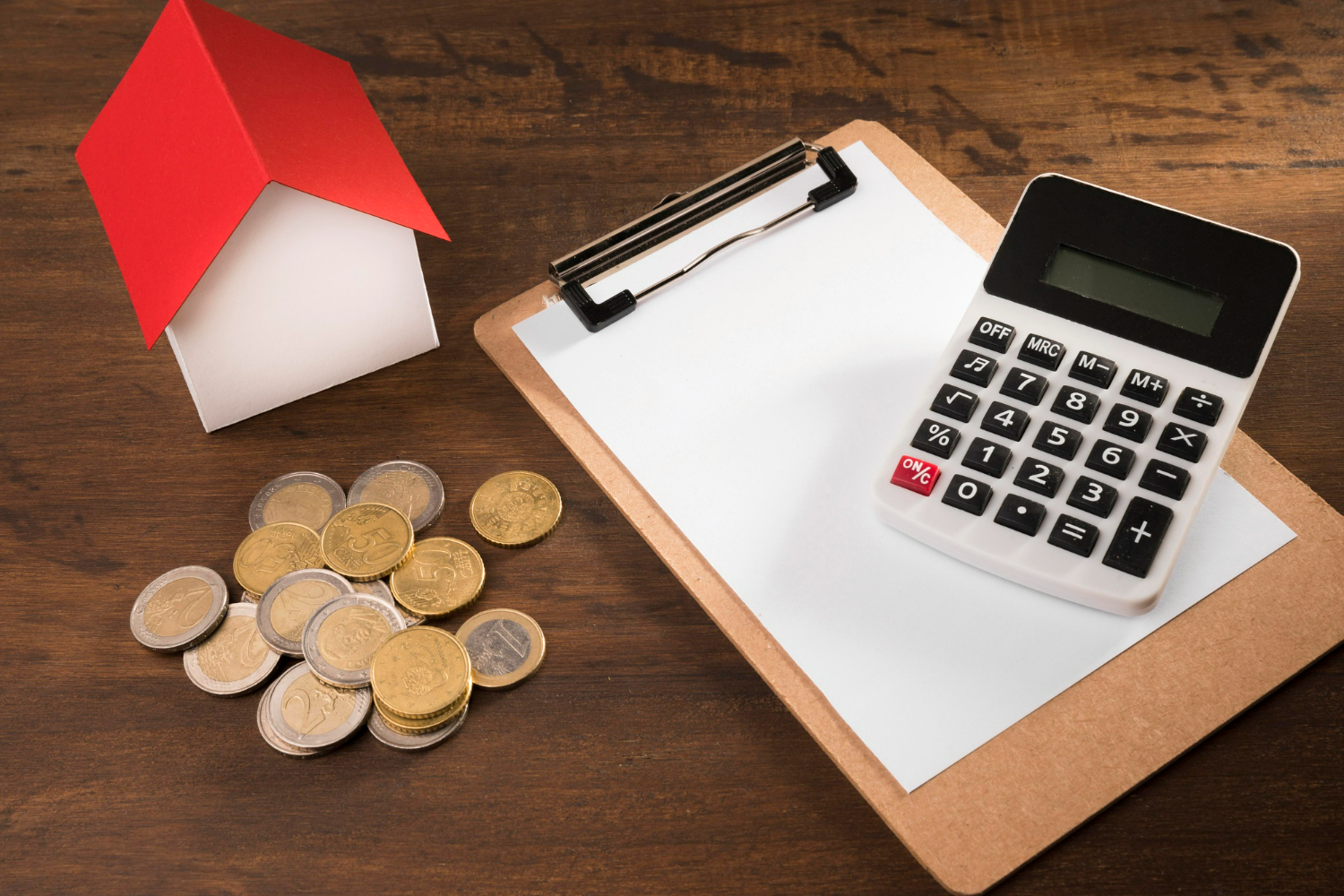
Selling a rental property can be a lucrative decision, but it also comes with tax obligations, particularly in the form of Capital Gains Tax (CGT). When you sell a rental property, you may be required to pay CGT on any profits made from the sale. Understanding how CGT applies to rental properties can help you plan ahead and minimize your tax liability.
1. What Is Capital Gains Tax (CGT) on a Rental Property?
Capital Gains Tax is the tax you pay on the profit made from selling or disposing of an asset, such as a rental property. The profit is calculated as the difference between the sale price and the purchase price, after taking into account any allowable expenses, such as improvements to the property or selling costs.
In the UK, CGT applies to the gain made from the sale of any property that is not your primary residence. Since rental properties are not usually considered primary residences, they are subject to CGT on any gain when sold.
2. How Do You Calculate CGT on a Rental Property?
To calculate CGT on a rental property, you need to determine your capital gain, which is the difference between the price at which you sell the property and what you paid for it. Here’s a simple step-by-step breakdown:
- Determine the Purchase Price: This includes the amount you paid to purchase the property, plus any associated costs, such as stamp duty and legal fees.
- Calculate the Sale Price: This is the amount you receive for the property when it is sold, minus any associated selling costs, such as agent fees, legal fees, and advertising costs.
- Deduct Allowable Expenses: Expenses like repairs, improvements, or renovation costs that directly increase the value of the property can be deducted from your capital gain. However, routine maintenance costs (e.g., fixing a leaky faucet) are not deductible.
- Subtract Any Losses: If you have made capital losses on any other assets, you may be able to offset these against your capital gains, reducing your CGT liability.
The capital gain is then taxed according to the CGT rates applicable to your income bracket.
3. What Are the CGT Rates for Rental Properties?
The amount of CGT you pay depends on your total taxable income for the year. The rates are:
- Basic Rate Taxpayers (Income up to £37,700 for the 2026/27 tax year): 18% CGT on the gain from the sale of rental property.
- Higher and Additional Rate Taxpayers (Income over £37,700): 24% CGT on the gain from the sale of rental property.
These figures are confirmed by HMRC for the 2026/27 tax year — see the official gov.uk rates and allowances page for full details.
If your income falls into the higher or additional tax rate bands, you will pay CGT at the higher rate on your capital gains from the sale of the rental property.
4. What Is Private Residence Relief (PRR)?
One of the main exemptions from CGT is Private Residence Relief (PRR), which allows you to exclude some or all of the gain from the sale of your primary residence. However, if the property has been rented out for some time, you may not be eligible for PRR, or only for a portion of the gain.
If you lived in the property as your primary residence for part of the time you owned it, you could qualify for partial Private Residence Relief on the gain attributable to the time you lived there. The longer you lived in the property as your primary home, the more relief you can claim.
5. Can You Claim Tax Relief on Selling a Rental Property?
Several tax reliefs and exemptions can reduce your CGT liability when selling a rental property:
- Letting Relief: If you lived in the property for some time and then rented it out, you may be eligible for Letting Relief, which could reduce the amount of CGT due. Letting relief is available up to a certain limit, and the rules around it are complex, so it’s a good idea to seek professional advice.
- Private Residence Relief (PRR): As mentioned earlier, if you lived in the property at any point before selling, you may qualify for a portion of the PRR.
- Exemption for Rental Income: While rental income is subject to income tax, certain costs like property maintenance and mortgage interest can be claimed as tax-deductible expenses, reducing your overall taxable rental income.
6. What Happens If You Sell a Rental Property to a Family Member?
Selling a rental property to a family member does not automatically exempt you from CGT. The sale will still be subject to CGT based on the market value of the property at the time of the transaction, rather than the sale price. However, if you gift the property to a family member, CGT may still apply, and you could potentially be liable for tax on the gain made up until the transfer.
In the case of gifts, Gift Relief could apply, which may allow the capital gain to be deferred until the recipient disposes of the asset. Additionally, gifts between spouses or civil partners are exempt from CGT.
7. Are There Any Special Considerations for Non-Residents Selling Rental Property?
If you are a non-resident for tax purposes and you sell a UK rental property, you will still be liable for CGT on the gain. Since April 2015, non-residents have been subject to CGT on the sale of UK residential property, regardless of where they reside. The rules are different for commercial property, but generally, non-residents must notify HMRC and report the sale to pay the correct amount of CGT.
8. How Can You Minimize CGT When Selling a Rental Property?
There are several strategies you can use to minimize CGT when selling a rental property:
- Maximise Allowable Expenses: Make sure you claim all deductible expenses, including costs of improvements (but not maintenance) and any legal or transaction fees.
- Gift the Property to a Spouse: If you are married or in a civil partnership, you can gift the property to your spouse or partner without triggering CGT, allowing you to potentially split the capital gains to benefit from both of your allowances.
- Use the Annual Exempt Amount (AEA): The AEA allows you to make tax-free gains up to a certain amount each year (£3,000, which remains the allowance for the 2026/27 tax year). If you have multiple assets, you may consider selling some in different tax years to take advantage of the exemption.
- Consider Timing: CGT is due after the tax year in which the property is sold, so consider selling in a year when your income is lower to benefit from a lower CGT rate.
9. What Happens If You Don’t Report the Sale of a Rental Property?
If you fail to report the sale of your rental property or do not pay the CGT owed, HMRC can charge penalties and interest. Reporting the sale within 60 days of the transaction is required under HMRC’s online CGT reporting system for property sales.
Conclusion
Selling a rental property can have significant tax implications, especially when it comes to Capital Gains Tax. Understanding how to calculate CGT, the exemptions available (such as Private Residence Relief and Letting Relief), and the rates you’ll pay can help you manage your tax liability effectively. By planning ahead and considering strategies like maximizing allowable expenses, timing the sale, and utilizing your Annual Exempt Amount, you can reduce your CGT exposure and keep more of the proceeds from your property sale. Always consider seeking professional advice to ensure compliance with tax laws and to optimize your tax position. Call us on +44 (0)1204 859315 or try our free CGT calculator to get an instant estimate.
Selling a Rental Property? Get the Calculation Right
Rental property disposals involve their own mix of reliefs, allowable costs, and a strict 60-day HMRC reporting window. Try our Property CGT Calculator for an instant estimate, or let our property capital gains tax service handle the full calculation and filing for landlords, so you pay only what you legally owe and never miss a deadline.